Outer Banks travel guide for first-time visitors (3–5 day itinerary)

If you’re planning your first trip to the Outer Banks, it can feel a little different from most beach vacations.
Unlike a single beach town or resort area, OBX is a long stretch of barrier islands spread out along the coast of North Carolina. That means planning matters a bit more — but the experience is also more flexible and open once you’re there.
This guide breaks down a realistic 3–5 day itinerary for first-time visitors so you can experience the Outer Banks without feeling rushed or overwhelmed.
If you’re still getting familiar with the area, it may help to start with what OBX means or what the Outer Banks are before planning your trip.
Before your trip: what most first-time visitors don’t realize
The biggest thing that surprises people is how spread out everything is.
On a map, the Outer Banks may not look large, but driving from one town to another can take longer than expected because everything runs along a single stretch of highway.
That’s why the most important planning decision isn’t what you’ll do — it’s where you’ll stay.
Most visitors choose a general base area and explore outward from there instead of trying to move constantly between towns.
A simple way to think about it:
- Northern OBX feels a bit more active and centralized
- Central OBX is balanced and convenient
- Southern OBX feels quieter and more remote
There’s no wrong choice — just different styles of trip.
Day 1: arrival, settling in, and your first beach sunset
Day one should stay simple. OBX rewards slowing down, not rushing into activities right away.
After arriving and checking in, the best thing you can do is get familiar with your surroundings and head straight to the beach.
That first walk onto the sand usually sets the tone for the entire trip.
A good first day looks like this:
- Arrive and unpack
- Grab groceries or a casual local meal
- Walk the beach without a plan
- Watch sunset near your area
That’s often enough. The Outer Banks tends to feel better when you don’t overfill the first day.
Day 2: lighthouses, small towns, and coastal exploring
Day two is when you start exploring beyond your immediate beach access.
The Outer Banks is known for its lighthouses, and they’re spread across different parts of the islands. Visiting one or two gives you a better sense of the region’s layout and history.
A simple approach for this day is to stay flexible rather than over-scheduling stops.
You can combine:
- A lighthouse visit
- Short stops in local towns
- Beach breaks along the way
This is also the day most visitors start to notice how different OBX feels compared to more commercial beach destinations — less built-up, more open, and more connected to the natural landscape.
Day 3: slow beach day and local rhythm
By day three, most people naturally shift into a slower pace.
This is usually the most enjoyable beach day of the trip because there’s no pressure to move around or “see everything.”
Instead, the day becomes about staying in one area and settling into the rhythm of the coast.
A typical relaxed day might include:
- Morning on the beach
- Swimming, reading, or walking the shoreline
- Afternoon rest or light exploring nearby
- Sunset dinner or takeout near the water
This is often the day people remember most — not because of what they did, but because of how it felt.
Optional day 4–5: deeper exploring and flexibility
If you’re staying longer than three days, extra time is best used for flexibility rather than structured plans.
This is where you can explore quieter beaches, revisit favorite spots, or check out areas you didn’t get to earlier in the trip.
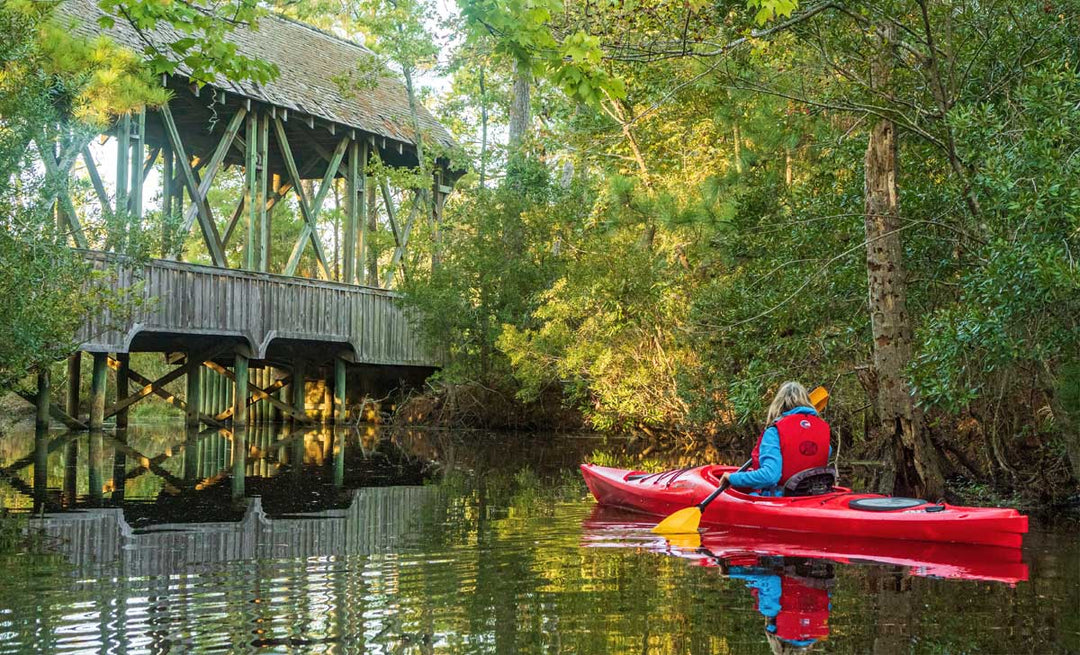
Some people use these days for fishing, kayaking, or simply repeating their favorite beach routine without any schedule at all.
OBX doesn’t really require more activities — it benefits from more time.
Where to stay in the Outer Banks
Where you stay has a bigger impact on your trip than most people expect.
Because the islands are long and narrow, your location determines how much driving you’ll do and what kind of experience you’ll have.
In general:
- Northern areas are closer to popular attractions and feel more active
- Central areas are balanced and convenient for first-time visitors
- Southern areas are quieter and more spread out
The “best” area depends on whether you want convenience, activity, or quiet.
Getting around the Outer Banks
Driving is essential in OBX.
There’s no central transit system connecting towns, and most of the experience is built around having access to a car.
This is one of the reasons it’s better to pick a base location and explore outward rather than trying to move between multiple accommodations during your trip.
What most first-time visitors get wrong
The most common mistake is treating OBX like a typical beach resort trip.
People often try to pack in too many stops, underestimate driving time, or plan full schedules for each day.
But the Outer Banks works better when you leave space in the day.
The slower moments are usually what end up defining the trip.
How many days do you need in OBX?
Most first-time visitors find that 3 to 5 days is the right amount of time.
Three days gives you a solid feel for the area, while five days allows more flexibility and downtime without rushing anything.
Longer stays don’t necessarily mean more things to do — just more time to experience the same rhythm at a slower pace.
Final thoughts
The Outer Banks isn’t about fitting in attractions or checking off a list.
It’s about slowing down enough to notice the space, the weather, the water, and the rhythm of a place that hasn’t been overbuilt or overcomplicated.
A simple itinerary is usually all you need — the rest tends to unfold naturally once you’re there.
Have you been to OBX before? Or is it still on your list? Most people remember their first trip more for how it felt than what they did.




Planning on my first trip there, can’t wait to explore the area
Leave a comment